
Serengeti vs Ngorongoro Crater: Which Should You Visit?
Both are world-class. Both are in Tanzania. But the Serengeti and Ngorongoro Crater offer completely different experiences — here's how to decide which belongs on your itinerary.
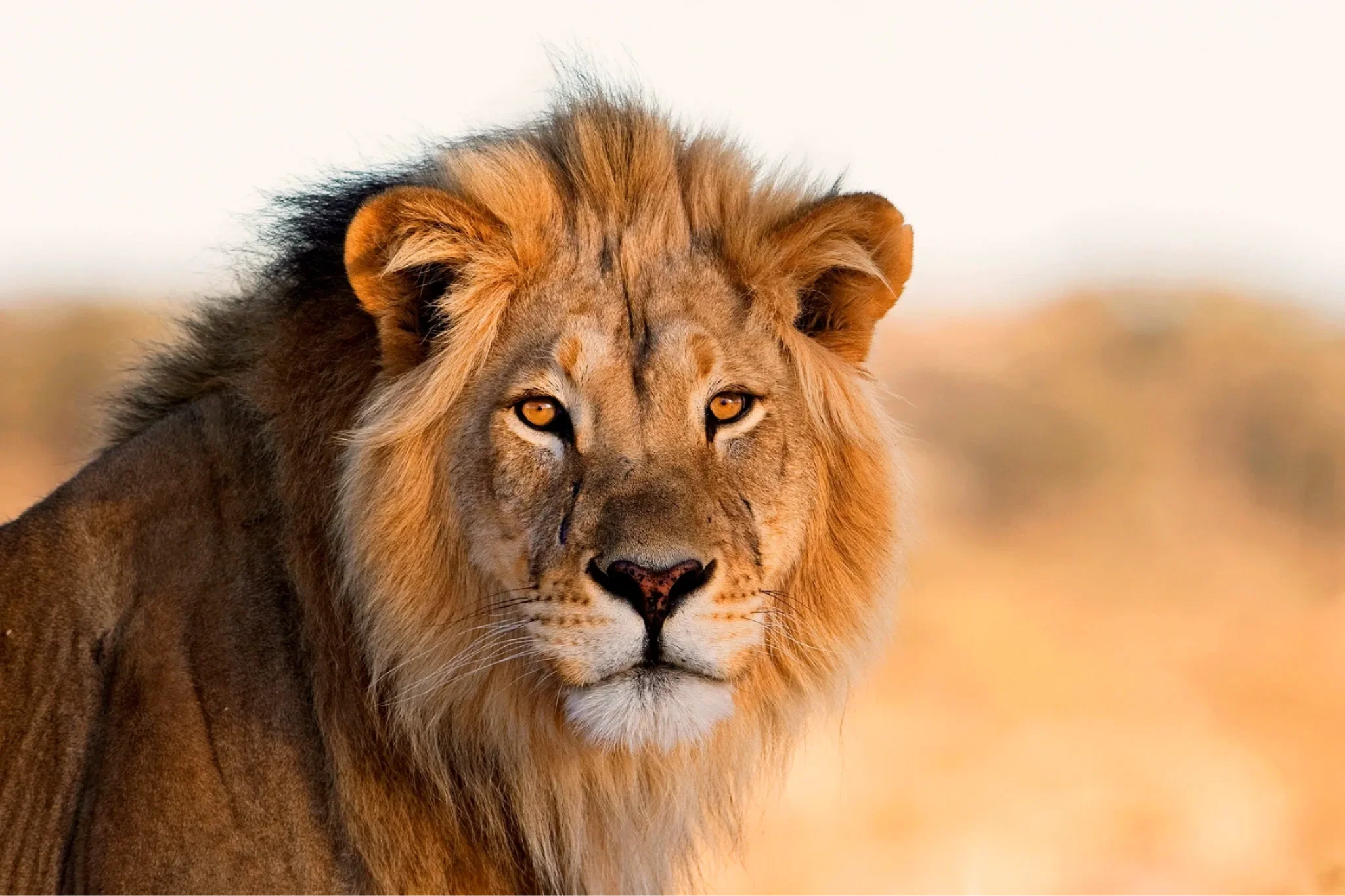
If you're planning a Tanzania safari, two names will come up in every conversation: the Serengeti and the Ngorongoro Crater. Both are extraordinary. Both are UNESCO World Heritage Sites. And both are within a few hours of each other in northern Tanzania.
The question most travelers ask is: which one should I visit? The honest answer is both — but if you're trying to understand the difference before you plan, here's exactly what sets them apart.
The Serengeti: Scale, Movement, and the Migration
The Serengeti is one of the largest national parks in Africa — nearly 15,000 square kilometers of open savanna, acacia woodland, kopjes (granite outcroppings), and riverine forest. It's the setting for the Great Migration, the largest movement of land mammals on earth.
What Makes the Serengeti Extraordinary
Scale. The Serengeti is vast in a way that photographs can't capture. You can drive for hours without seeing another vehicle. The horizon stretches in every direction. There's a sense of being genuinely inside a wild ecosystem rather than visiting one.
The Migration. Over 1.5 million wildebeest, 200,000 zebra, and 300,000 Thomson's gazelle move in a continuous loop through the Serengeti ecosystem, following rainfall and fresh grass. Depending on the season, you can witness calving (January–February), river crossings (July–September), or the northward push through the central plains.
Predator density. The Serengeti has one of the highest concentrations of lions in Africa. Cheetahs, leopards, wild dogs, and hyenas are all present in significant numbers. A well-positioned camp with an expert guide will find big cats on almost every game drive.
Variety. Different parts of the Serengeti offer different experiences — the southern short-grass plains, the central Seronera area, the western corridor, the remote northern Serengeti near the Kenyan border. Multiple visits to the same park can feel like entirely different destinations.
Who the Serengeti Is Best For
- Travelers who want the Great Migration
- First-time safari visitors who want the "classic" Africa experience
- Photographers who want open landscapes and dramatic light
- Anyone who wants multiple days of immersive, varied game viewing
Ngorongoro Crater: Concentration, Drama, and the Big 5
The Ngorongoro Crater is the world's largest intact volcanic caldera — a collapsed volcano that formed a natural enclosure roughly 20 kilometers across and 600 meters deep. Inside the crater floor, approximately 25,000 large animals live in a self-contained ecosystem.
What Makes Ngorongoro Extraordinary
Concentration. Because the crater walls act as a natural boundary, wildlife is extraordinarily concentrated. Lions, elephants, buffalo, zebra, wildebeest, hippos, flamingos, and one of Africa's last remaining black rhino populations all share a relatively small space. You will see a lot of animals in a short time.
The rhino. Ngorongoro is one of the best places in Africa to see black rhino in the wild. The population is small — roughly 20–30 individuals — but the crater's contained environment makes sightings more likely than almost anywhere else on the continent.
The landscape. Descending into the crater is a dramatic experience. The walls rise steeply around you, the floor opens into grassland, forest patches, and a soda lake. It's visually unlike anywhere else in Tanzania.
Efficiency. A single day in the Ngorongoro Crater can yield extraordinary wildlife sightings. For travelers with limited time, it delivers concentrated game viewing that might take days to replicate in a larger park.
Who Ngorongoro Is Best For
- Travelers who want to maximize wildlife sightings in limited time
- Anyone specifically hoping to see black rhino
- Travelers who appreciate dramatic, enclosed landscapes
- Those combining it with a Serengeti visit as part of a broader itinerary
Key Differences at a Glance
| Serengeti | Ngorongoro Crater | |
|---|---|---|
| Size | ~15,000 km² | ~260 km² (crater floor) |
| Wildlife | Vast, spread across ecosystems | Concentrated, self-contained |
| Landscape | Open savanna, varied terrain | Enclosed caldera, dramatic walls |
| Migration | Yes — the primary location | No — wildebeest present but don't migrate |
| Rhino | Rare | Best chance in Tanzania |
| Time needed | 3–5+ nights | 1 full day (day trip from rim) |
| Crowds | Varies by season and location | Can be busy on crater floor |
| Accommodation | Wide range inside the park | Lodges on the crater rim |
The Honest Recommendation
Visit both. They're complementary, not competing. The Serengeti gives you scale, movement, and immersion. Ngorongoro gives you concentration, drama, and the rhino.
A well-structured northern Tanzania itinerary — Tarangire, Ngorongoro, Serengeti — covers all three in 8–10 days and delivers the full range of what Tanzania offers.
If you can only choose one: the Serengeti for a first safari, especially if the Migration is a priority. Ngorongoro if you're returning and want something different, or if rhino is on your list.
Want help building an itinerary that makes the most of both? Tell us about your trip and we'll put together something specific to your dates and interests.
Still in the research phase? Download our Free Tanzania Safari Guide — it covers timing, parks, packing, and everything you need to plan with confidence.

